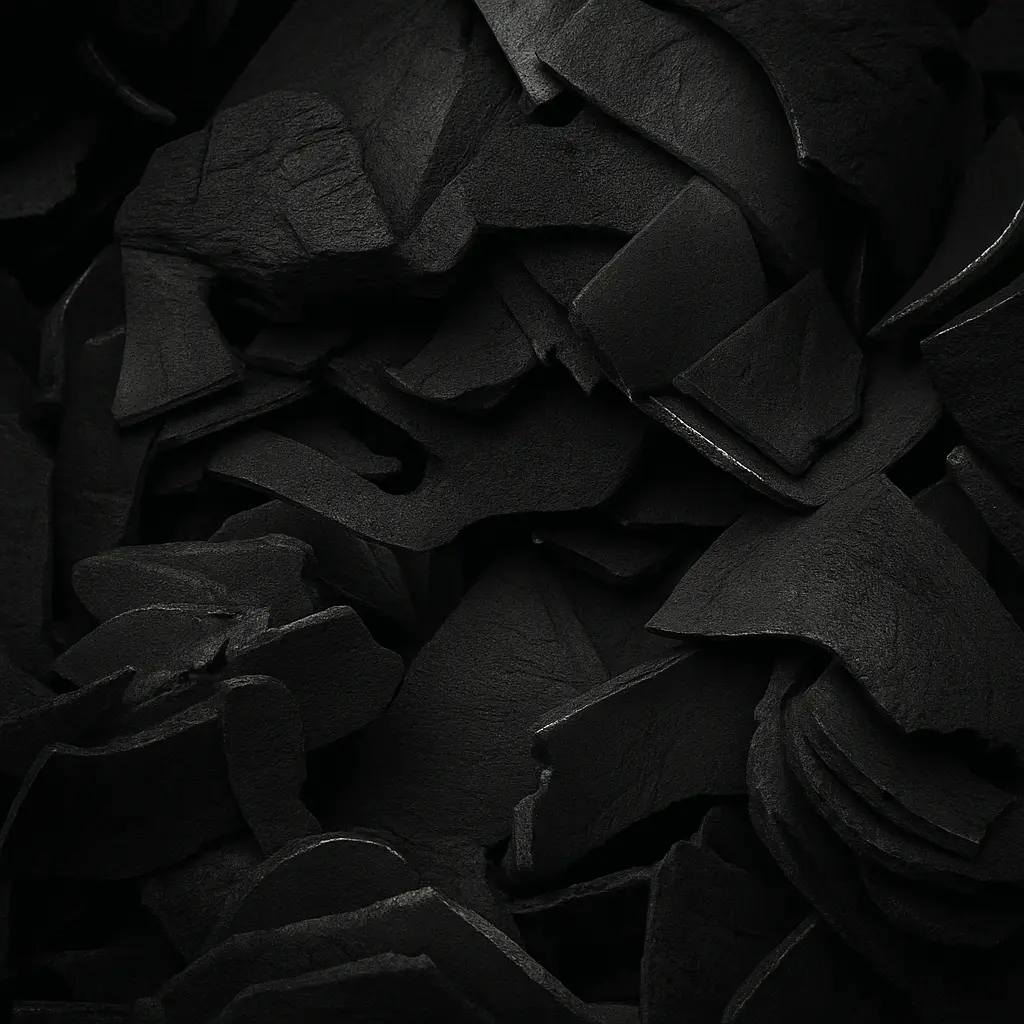
Higher heat retention than wood charcoal
Coconut charcoal briquettes maintain consistent temperatures 40% longer than traditional charcoal, making them ideal for slow-cooking and searing.
Why Coconut Charcoal is Superior for BBQ
Coconut shell charcoal has revolutionized barbecue cooking with its unique properties. Unlike traditional wood charcoal, coconut briquettes offer consistent heat output, longer burn time, and minimal ash production. The dense structure of coconut shells creates briquettes that burn hotter and cleaner, providing the perfect foundation for exceptional BBQ results.
Key Advantages of Coconut Charcoal for Grilling:
- Higher Heat Output: Reaches 700-900°F (370-480°C) for perfect searing
- Longer Burn Time: 3-4 hours of consistent heat from a single load
- Minimal Smoke: Clean burn with natural smoky flavor, not acrid smoke
- Low Ash Production: 60% less ash than wood charcoal for easier cleanup
- Environmental Sustainability: Made from renewable coconut shell waste
Step-by-Step: Lighting Coconut Charcoal Perfectly
Pro Tip: Coconut charcoal takes slightly longer to light than quick-light charcoal but provides superior results. Be patient during the lighting process.
Method 1: Chimney Starter (Most Recommended)
- 1 Fill chimney starter ¾ full with coconut charcoal briquettes
- 2 Place 2-3 natural fire starters or newspaper in the bottom chamber
- 3 Light the starters and wait for flames to catch the charcoal
- 4 Allow 15-20 minutes for charcoal to develop white ash coating
- 5 Carefully pour hot charcoal into your grill, arranging as needed
Method 2: Pyramid Method (Traditional Approach)
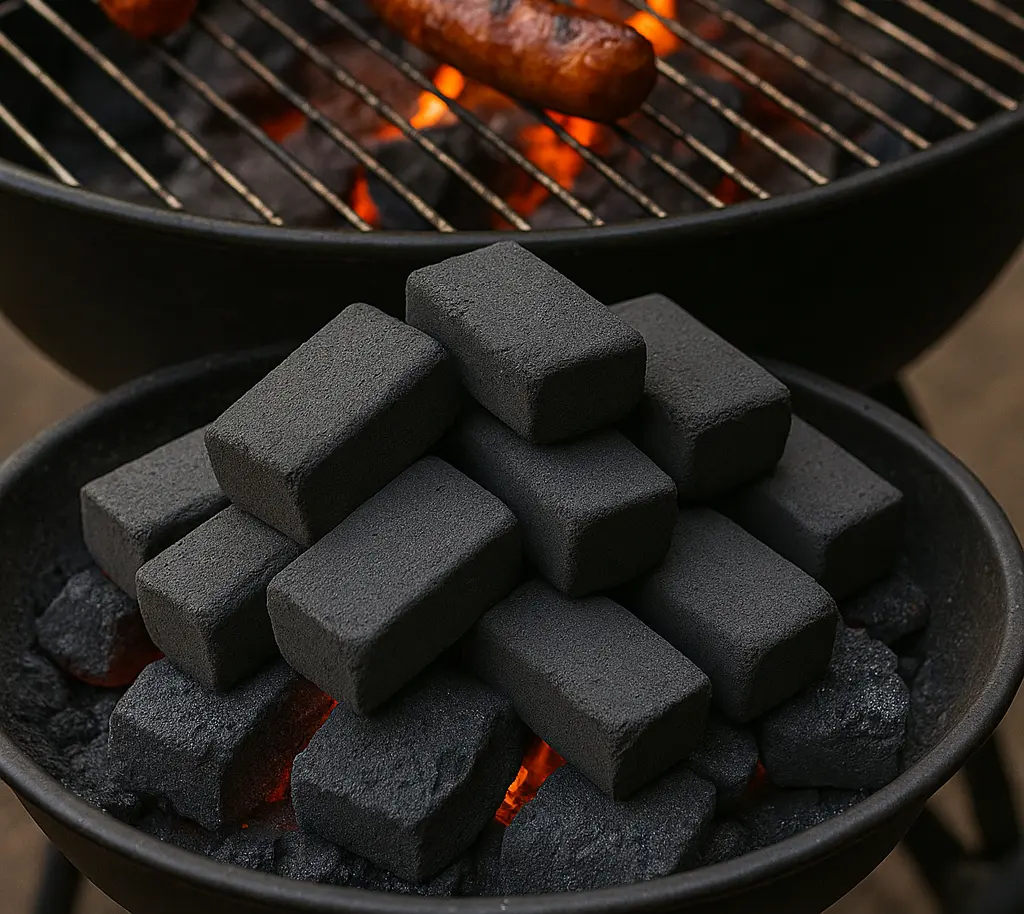
- 1 Stack coconut briquettes in a pyramid shape in the center of your grill
- 2 Place natural fire starters in the center of the pyramid
- 3 Light the starters and allow fire to spread through the pyramid
- 4 Wait 20-25 minutes until briquettes are 80% covered in white ash
- 5 Spread charcoal into your desired arrangement using tongs
Never use lighter fluid with coconut charcoal! It leaves chemical residues that affect food flavor. Coconut charcoal lights easily with natural starters and doesn't need accelerants.
Mastering Temperature Zones
Professional BBQ relies on precise temperature control. Coconut charcoal's consistent burn allows you to create perfect cooking zones:
| Temperature Zone | Charcoal Arrangement | Temperature Range | Best For |
|---|---|---|---|
| Hot Zone (Direct Heat) | Single layer of fully lit charcoal | 500-700°F (260-370°C) | Searing steaks, burgers, quick-cook items |
| Medium Zone (Two-Zone) | Charcoal on one side, empty on other | 350-450°F (175-230°C) | Chicken, pork chops, vegetables with lid closed |
| Low Zone (Indirect Heat) | Charcoal pushed to edges, center empty | 225-300°F (107-150°C) | Slow-cooked ribs, brisket, whole chickens |
| Smoking Zone | Small charcoal pile with wood chunks | 200-250°F (95-120°C) | Pulled pork, salmon, cheese (6+ hours) |
Pro Temperature Control Tips:
- Vent Control: Bottom vents control oxygen flow (more open = hotter)
- Lid Position: Lid down increases temperature by 50-100°F
- Charcoal Quantity: Add 5-10 briquettes every 45 minutes for long cooks
- Thermometer Essential: Always use grill thermometer, not built-in lid gauge
The Art of Searing with Coconut Charcoal
Coconut charcoal's high heat makes it perfect for achieving restaurant-quality sear marks. Follow this technique for perfect crust formation:
Perfect Searing Technique:
- Pat meat completely dry with paper towels
- Season generously just before cooking (salt draws out moisture)
- Preheat grill with coconut charcoal for 20 minutes until screaming hot
- Place meat on grill at 10 o'clock position, don't move for 2 minutes
- Rotate to 2 o'clock position for diamond marks, wait 2 minutes
- Flip and repeat on other side
- Move to cooler zone to finish cooking to desired doneness
Smoke Management & Flavor Enhancement
Coconut charcoal provides a clean, neutral heat that's perfect for adding subtle smoke flavors with wood chunks:
Wood chunks max
Soak time for chips
Smoke is ready
Use wood chunks (not chips) placed directly on hot charcoal. Wait for initial thick smoke to clear before cooking—thin blue/white smoke is ideal.
Wood Pairing Guide for Coconut Charcoal:
- Hickory: Strong, bacon-like flavor for pork and beef
- Apple: Sweet, mild smoke perfect for poultry and pork
- Cherry: Fruity, mild smoke that gives beautiful red color
- Mesquite: Intense, earthy flavor for short cooks (use sparingly)
- Pecan: Rich, nutty flavor similar to hickory but milder
Perfect Timing Guide for Common BBQ Items
Based on coconut charcoal's consistent heat output, here are optimal cooking times:
| Food Item | Thickness/Weight | Cooking Method | Approximate Time | Target Internal Temp |
|---|---|---|---|---|
| Steak (Ribeye) | 1.5 inches | Sear then indirect | 8-12 minutes total | 130°F (54°C) medium-rare |
| Chicken Breast | 8 oz | Direct medium heat | 6-8 minutes per side | 165°F (74°C) |
| Pork Chops | 1 inch | Two-zone cooking | 10-14 minutes total | 145°F (63°C) |
| Salmon Fillet | 6 oz | Indirect with lid | 12-15 minutes | 125°F (52°C) |
| Vegetables | Various | Direct high heat | 8-12 minutes | Tender-crisp |
Advanced Techniques for BBQ Masters
1. Reverse Searing (Perfect for Thick Cuts)
Cook steak slowly with indirect heat until 15°F below target temperature, then sear over screaming hot coconut charcoal for 60-90 seconds per side. Results in perfect edge-to-edge doneness.
2. The Snake Method (For Long Smoking Sessions)
Arrange coconut briquettes in a C-shape around the perimeter of your grill. Light one end, and the fire will slowly burn around the circle, maintaining 225-250°F for 6-8 hours.
3. Grill Roasting with Coconut Charcoal
Use indirect heat with a drip pan underneath. Coconut charcoal's clean burn won't impart bitter flavors to drippings, perfect for making pan sauces.
Safety & Maintenance Tips
- Always use heat-resistant gloves when handling charcoal
- Keep grill at least 10 feet from structures and overhangs
- Never add charcoal starter to already lit charcoal
- Allow ashes to cool completely for 48 hours before disposal
- Keep a fire extinguisher or bucket of sand nearby
Coconut Charcoal Grill Maintenance:
- After Cooking: Close vents to extinguish charcoal for reuse
- Ash Removal: Remove ashes when cool to maintain airflow
- Grate Cleaning: Brush grates while hot, then oil lightly
- Seasoning Grates: Apply thin oil coat and heat for 30 minutes quarterly
Conclusion: Elevate Your BBQ Game
Coconut charcoal represents the future of barbecue—combining superior performance with environmental sustainability. Its consistent heat, long burn time, and clean smoke profile make it the ideal choice for both beginners and experienced pitmasters.
By mastering the techniques in this guide—proper lighting, temperature zone management, precise searing, and smoke control—you'll achieve BBQ results that rival professional restaurants. Remember that great barbecue is about patience, attention to detail, and quality ingredients, starting with your fuel source.
Whether you're grilling weeknight dinners or hosting weekend gatherings, coconut charcoal provides the reliable, high-performance heat that turns good barbecue into extraordinary culinary experiences. Start implementing these techniques today and taste the difference that premium coconut charcoal makes.