Updated Import Regulations
New policies from Indonesian Ministry of Trade and Customs Department effective January 2026.
Why Import Charcoal from Indonesia in 2026?
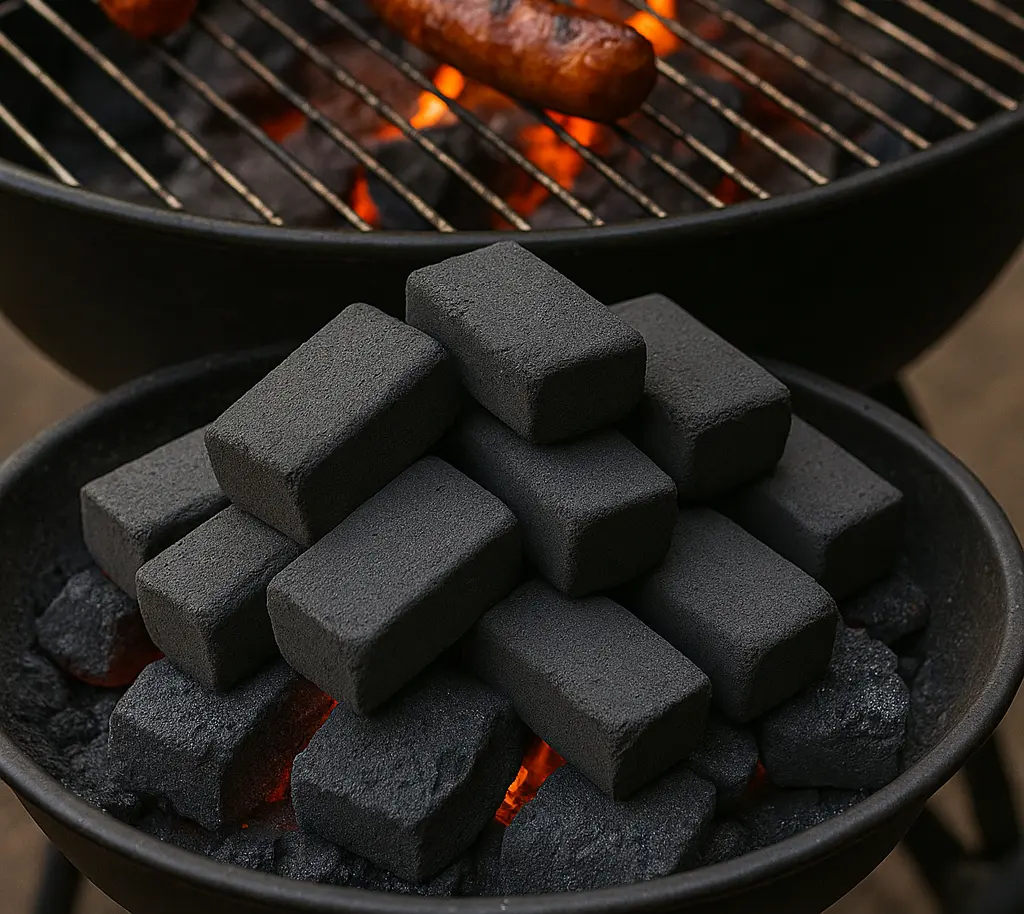
Indonesia remains the world's largest exporter of charcoal briquettes, controlling 45% of global market share according to 2025 trade data. The country's dominance is built on several key advantages:
- Sustainable sourcing: Utilization of coconut shell waste rather than deforestation
- Quality consistency: ISO-certified production facilities with strict quality control
- Competitive pricing: Lower production costs compared to other regions
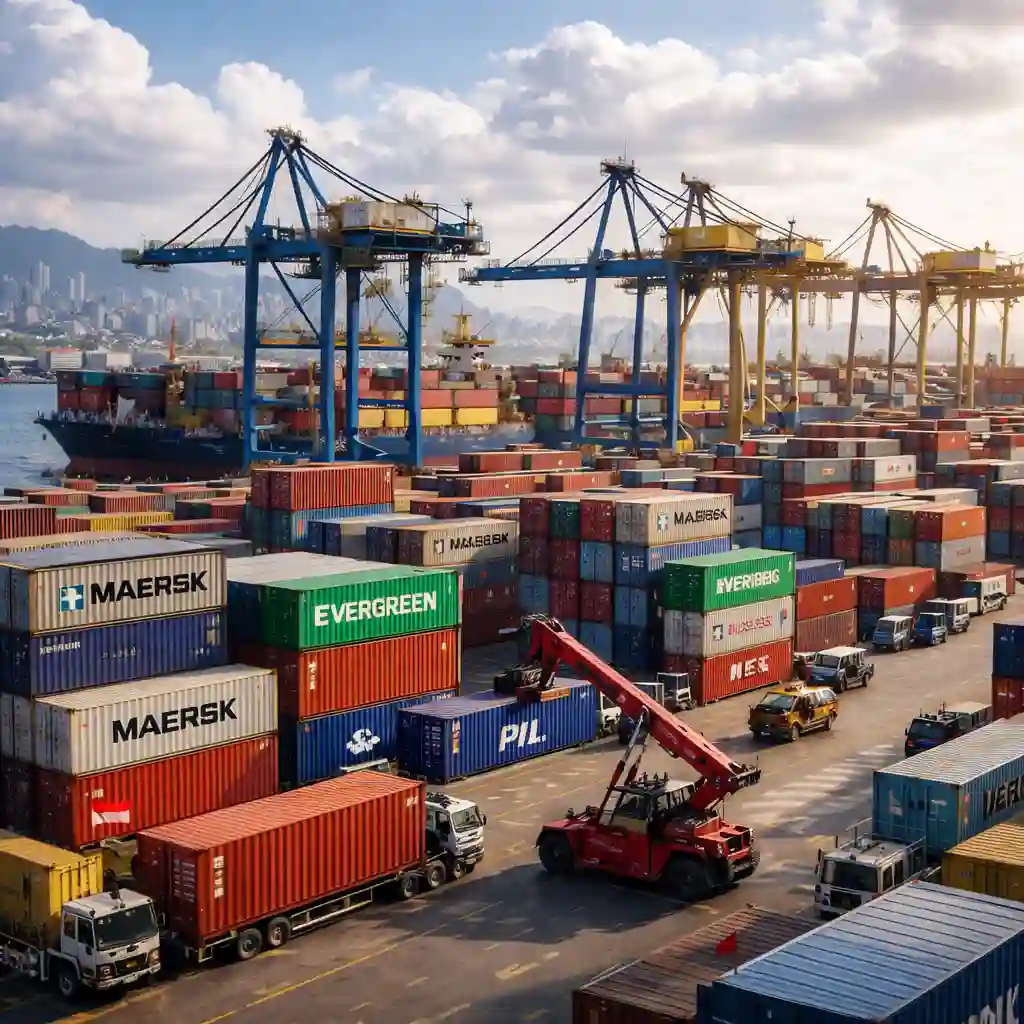
- Infrastructure: Modern ports and established export procedures
- Variety: Wide range of briquette types (shisha, BBQ, industrial)
2026 Regulatory Changes for Charcoal Export
The Indonesian government has implemented several important regulatory changes effective January 2026:
New Documentation Requirements
All charcoal exports now require the following mandatory documents:
- Updated Phytosanitary Certificate: Must include new pest risk assessment codes
- Sustainability Certification: ISPO (Indonesian Sustainable Palm Oil) or equivalent for biomass sourcing
- Carbon Footprint Declaration: New requirement showing CO2 emissions per ton
- Revised Certificate of Origin: Updated Form E for ASEAN countries, Form A for others
- Supplier Verification Document: Proof of legal business registration and tax compliance
Business days for export clearance
Document verification required
Reduced tariffs for sustainable charcoal
Step-by-Step Import Process
1. Supplier Selection and Verification
Before placing an order, verify your supplier's credentials:
| Verification Point | Required Document | Validity Period |
|---|---|---|
| Business License (SIUP) | Ministry of Trade Issued | 5 years |
| Export License (ET) | Directorate General of Foreign Trade | 3 years |
| Tax Identification Number (NPWP) | Directorate General of Taxes | Permanent |
| Production Capacity Certificate | Industry Ministry | 2 years |
| Quality Management System | ISO 9001:2025 | 3 years |
2. Product Specifications and Sampling
Define clear specifications and request pre-shipment samples:
- Moisture content: Maximum 8% (down from 10% in 2025)
- Ash content: Maximum 4% for premium grade
- Fixed carbon: Minimum 75% for shisha charcoal
- Calorific value: Minimum 7,000 kcal/kg
- Size tolerance: ±2% for diameter, ±3% for length
- Packaging: Waterproof, 10kg or 20kg bags, palletized
3. Shipping and Incoterms 2026
Understanding the correct Incoterms is crucial for cost calculation and risk management:
Most Common for Indonesian Charcoal
Free On Board (port of loading) - Seller covers costs until goods are loaded on ship, buyer covers main transport, insurance, and unloading.
Alternative Incoterms options:
- EXW (Ex Works): Buyer arranges all transport from factory
- CIF (Cost, Insurance, Freight): Seller covers insurance and freight to destination port
- CFR (Cost and Freight): Seller covers freight only
- DAP (Delivered at Place): Seller delivers to named place in buyer's country
Customs Clearance and Import Duties
Indonesia Export Customs
Indonesian export procedures involve:
- Customs Declaration (PEB): Filed electronically through INSW system
- Export Duty: 0% for most charcoal products (except restricted woods)
- VAT: 0% for exports (VAT exempt)
- Inspection: Random physical inspection (approximately 15% of shipments)
- Exit Procedures: Goods clearance at port of departure
Destination Country Import Duties
Common import duty rates for charcoal in major markets (2026):
| Country/Region | HS Code | Import Duty | Additional Notes |
|---|---|---|---|
| United States | 4402.90.00 | 0-2.5% | FDA registration required for food-contact charcoal |
| European Union | 4402.90.00 | 0% | Deforestation-free regulation compliance required |
| Middle East | 4402.90.00 | 5% | GCC Standardization Organization certificate needed |
| Japan | 4402.90.00 | 0% | JAS certification for organic claims |
| Australia | 4402.90.00 | 5% | Biosecurity import permit required |
Quality Standards and Certifications
Mandatory Indonesian Standards
All exported charcoal must comply with these Indonesian National Standards (SNI):
- SNI 01-6235-2000: Quality requirements for charcoal briquettes
- SNI 8275:2016: Methods for testing charcoal briquettes
- SNI 19-9000-2001: Environmental management systems
International Certifications (Recommended)
While not always mandatory, these certifications facilitate smoother imports:
- ISO 9001:2025: Quality management systems
- ISO 14001:2025: Environmental management systems
- FSC Certification: For charcoal from sustainable sources
- Halal Certification: Important for Muslim-majority markets
- Kosher Certification: For specific market requirements
Shipping and Logistics
Port Selection
Major Indonesian ports for charcoal export:
- Tanjung Perak (Surabaya): Primary port for East Java producers
- Tanjung Priok (Jakarta): Largest Indonesian port, most international connections
- Belawan (Medan): Main port for Sumatra-based producers
- Makassar: Primary port for Eastern Indonesia
Container Specifications
Standard shipping configurations:
Standard Container
Capacity: 17-18 tons charcoal
High Cube Container
Capacity: 26-27 tons charcoal
Common Challenges and Solutions
Documentation Errors
The most common cause of shipping delays is incorrect documentation:
- Problem: Discrepancy between invoice and packing list
- Solution: Triple-check all documents before submission
- Problem: Expired certificates
- Solution: Request updated certificates 30 days before shipment
- Problem: Incorrect HS code classification
- Solution: Consult with customs broker before shipping
Quality Issues
To avoid quality disputes:
- Pre-shipment inspection: Hire third-party inspection (SGS, Bureau Veritas)
- Retained samples: Keep samples from production batch for reference
- Moisture protection: Ensure waterproof packaging for sea transport
- Laboratory testing: Conduct independent lab tests for key parameters
2026 Compliance Checklist
Use this checklist to ensure full compliance:
- ✅ Verify supplier has valid 2026 export license
- ✅ Confirm product meets destination country standards
- ✅ Obtain updated phytosanitary certificate with 2026 format
- ✅ Check sustainability certification validity
- ✅ Validate insurance coverage for entire shipment
- ✅ Confirm Incoterms clearly defined in contract
- ✅ Arrange pre-shipment inspection if required
- ✅ Prepare import documents for destination customs
- ✅ Verify payment terms and method
- ✅ Plan for storage upon arrival
Conclusion
Importing charcoal from Indonesia in 2026 requires careful attention to updated regulations, documentation requirements, and compliance standards. While the process involves multiple steps—from supplier verification to customs clearance—the rewards are significant given Indonesia's position as the world's leading charcoal exporter.
By following this comprehensive guide, international buyers can navigate the import process smoothly, avoid common pitfalls, and ensure timely delivery of high-quality charcoal products. The key to successful importing lies in thorough preparation, clear communication with suppliers, and understanding of both Indonesian export procedures and destination country import requirements.
As global demand for sustainable charcoal continues to grow, Indonesia remains well-positioned to supply international markets with high-quality, environmentally responsible products. With proper planning and attention to regulatory details, importing charcoal from Indonesia can be a profitable and sustainable business venture.